
How Do You Choose the Right Fence Material for Your Home or Business?
How Do You Choose the Right Fence Material for Your Home or Business?
Investing in a new fence involves more than just marking your property lines: It is an investment in security, privacy, and the overall value of your real estate. But with so many options on the market, how do you know which material is the perfect fit for your space?
Fence Masters has installed over 50,000 fences across the Midwest over the past four decades. As the region’s largest fence contractor, we understand that every property has unique needs. To find the right material match for your home or business, you need to evaluate a few critical factors:
- Durability
- Maintenance
- Appearance
- Budget
By assessing your property’s needs and your preferences, you’ll be able to find a material that lies at the perfect intersection of both. Let’s look more closely at how each of these factors can help you make your decision.
How Durable Does the Fence Material Need to Be?
The lifespan of your fence is heavily dictated by the material you choose and the environment it will be in. Here in Chicagoland and Northwest Indiana, for instance, fences commonly face harsh winters, humid summers, and high winds. Different materials will respond differently to these elements:
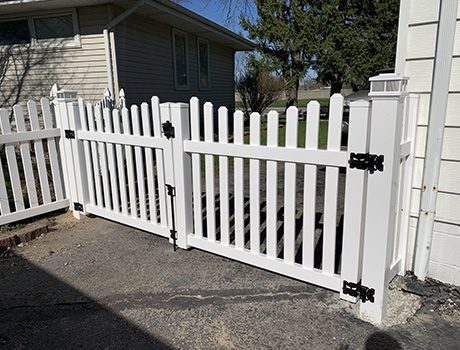
- Vinyl (PVC): This is often the top choice for longevity. It does not rot, rust, or peel. At Fence Masters, our American-made vinyl products are built to survive local weather extremes.
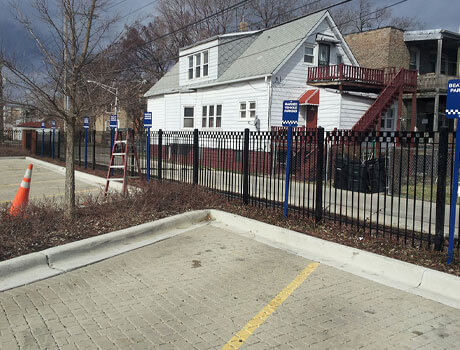
- Wrought Iron and Steel: These materials offer unmatched strength, making them ideal for high-security commercial perimeters or residential driveways. They may, however, become weakened by untreated rust over time.
- Wood: While sturdy, wood is organic and more susceptible to the elements over time compared to other materials.
It’s important to remember that a fence’s durability can also be impacted by the amount of maintenance you perform over its lifetime.
How Much Maintenance Are You Willing to Do?
Some property owners enjoy weekend DIY projects, while others prefer a “set it and forget it” solution. Your willingness to maintain your investment will play a huge role in your fencing decision.
Here’s a breakdown of some common materials’ maintenance levels:
- Low Maintenance: Vinyl and aluminum are the clear winners here. They typically require nothing more than an occasional rinse with a garden hose to look like new again.
- Medium Maintenance: Wrought iron is incredibly durable but may require occasional painting or rust treatment over its long lifespan.
- High Maintenance: Wood fences typically require the most attention. To prevent rot and warping, they usually need to be stained or painted every year or few years.
Even if you love the look of a certain material, make sure you can properly maintain it so it continues to benefit your property.
Does the Appearance Match Your Property’s Style?
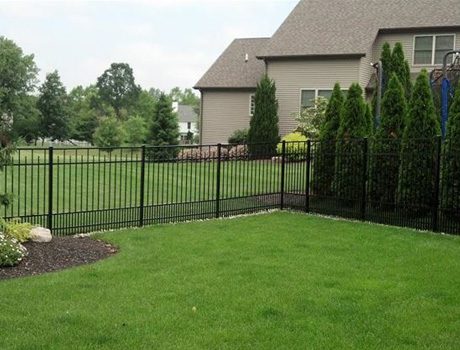
Your fence acts as a frame for your property. It should enhance your curb appeal, not clash with it. Consider the aesthetics of your property and building(s) when deciding on fencing: Aluminum and wrought iron can deliver an elegant, sophisticated look often associated with high-end estates and professional commercial lots; vinyl offers a clean, crisp appearance that looks great in suburban neighborhoods; wood provides a more traditional, rustic charm.
What Are Your Budget Considerations?
Fences, like everything else, come with a cost. When calculating your investment, it is important to look beyond the initial installation price. You must consider the total cost of ownership. For instance, wood fencing often has a lower upfront material cost, but the cost of stains, sealants, and eventual repairs can add up. On the other hand, vinyl and metal fences might have a higher initial price tag, but their durability and lack of maintenance costs can make them more cost-effective over 10 or 20 years. You’ll want to weigh whether a higher cost now or the potential for more costs later is more desirable.
Secure Your Property Today
Choosing the right fence material comes down to balancing your desire for aesthetics with your practical needs for budgeting and maintenance. Whether you land on a custom-fabricated vinyl privacy fence or a heavy-duty commercial steel gate, Fence Masters has the inventory and expertise to get it installed fast. Contact Fence Masters today to request a free estimate for your perfect fencing solution.


What Our Clients Say!
book your
free estimate
RESIDENTIAL Areas We Serve

Hours
Monday – Friday: 8:00 am – 3:30 pm
Saturday – Sunday: Closed


The information on this website is for informational purposes only it is deemed accurate but not guaranteed. It does not constitute professional advice. Testimonials are not a guarantee, warranty or prediction of what your experience with us will be. By providing contact information, users acknowledge and give explicit consent to be contacted via the methods of communication provided, including SMS. Message and data rates may apply. Message frequency may vary. Reply STOP to opt out.
Nuvew | Copyright 2026. All Rights Reserved | Accessibility Notice | Privacy Policy